June 02, 2026
News from our 2026 program 1.1
At the beginning of 2026, within the framework of the Back to Life initiative implemented by Yahad – In Unum in Iraq, vocational training activities continued to be carried out for internally displaced Yazidi people as well as individuals who have returned to their communities of origin. Particular attention was given to survivors of the Islamic State’s control.
For many beneficiaries, the challenges remain very real: prolonged displacement, limited access to livelihoods, weakened social structures, as well as long-lasting psychological and economic consequences linked to the conflict and experiences of captivity.
In this context, vocational training represents a concrete lever, both to strengthen income-generating capacities and to support, step by step, a return to autonomy and social reintegration.
June 02, 2026
News from our 2026 program 1.2
We continue to implement a range of vocational, educational and psychosocial activities across different locations in Iraq, combining practical training with support aimed at strengthening resilience and long-term opportunities.
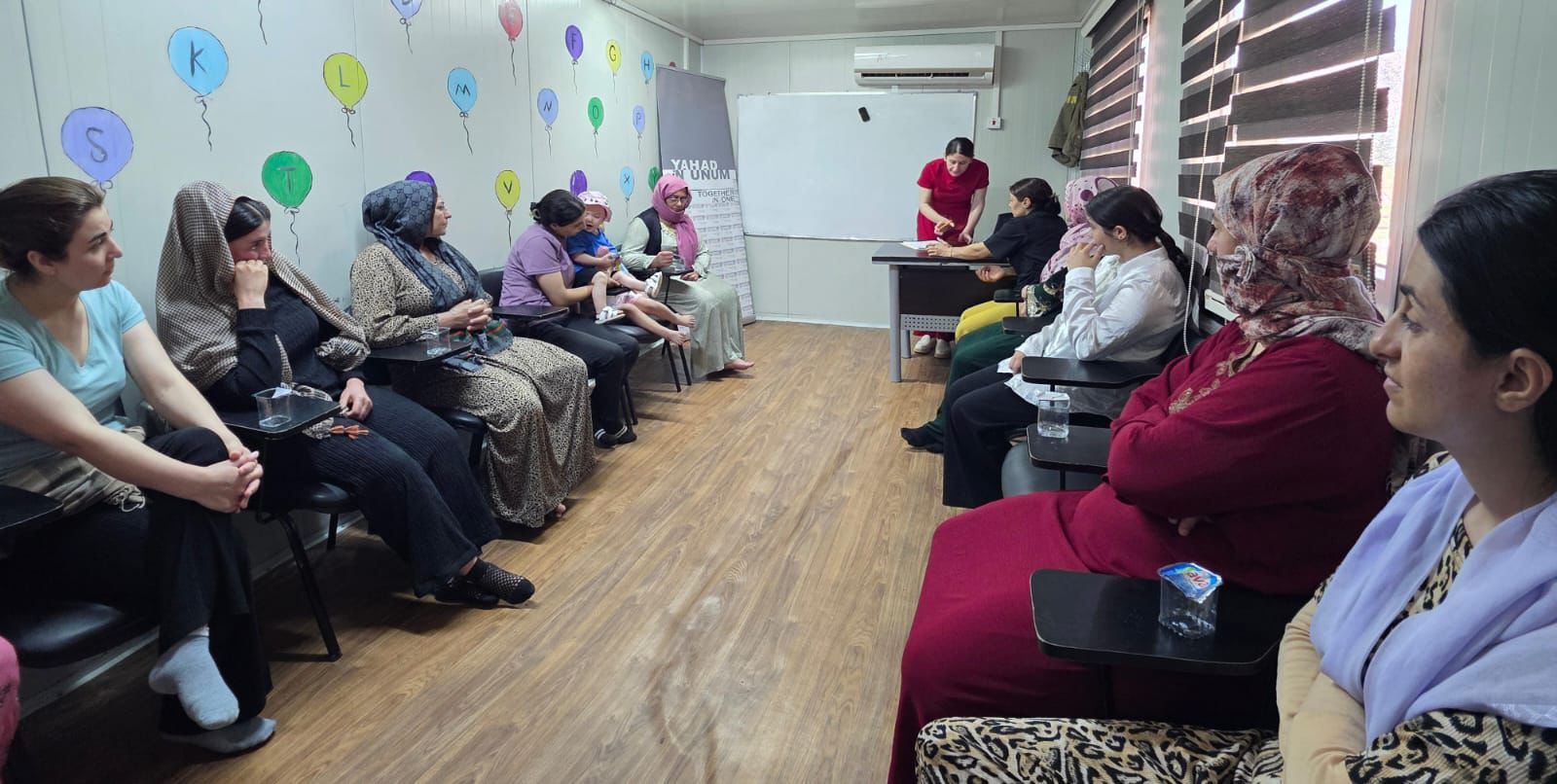
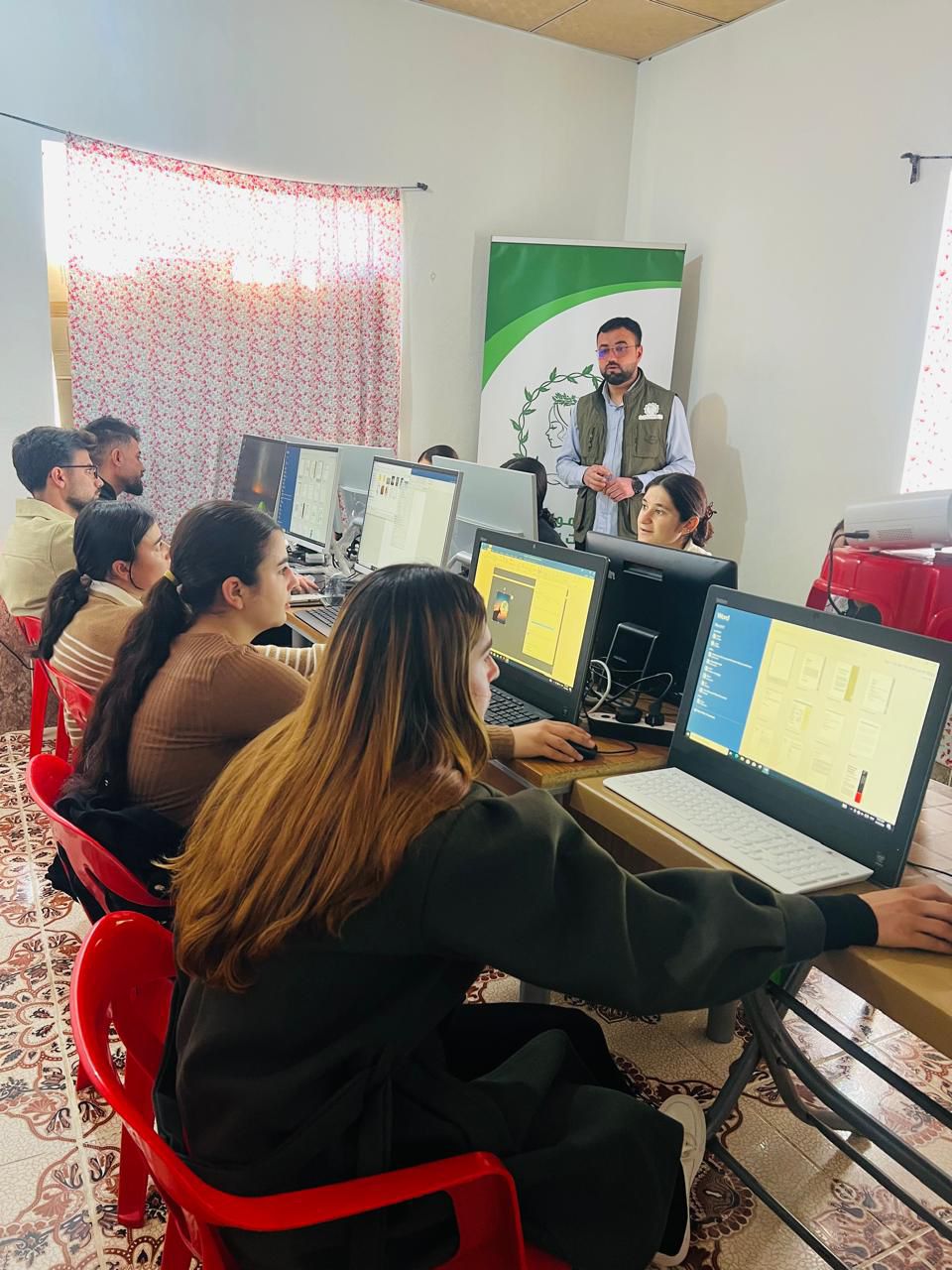
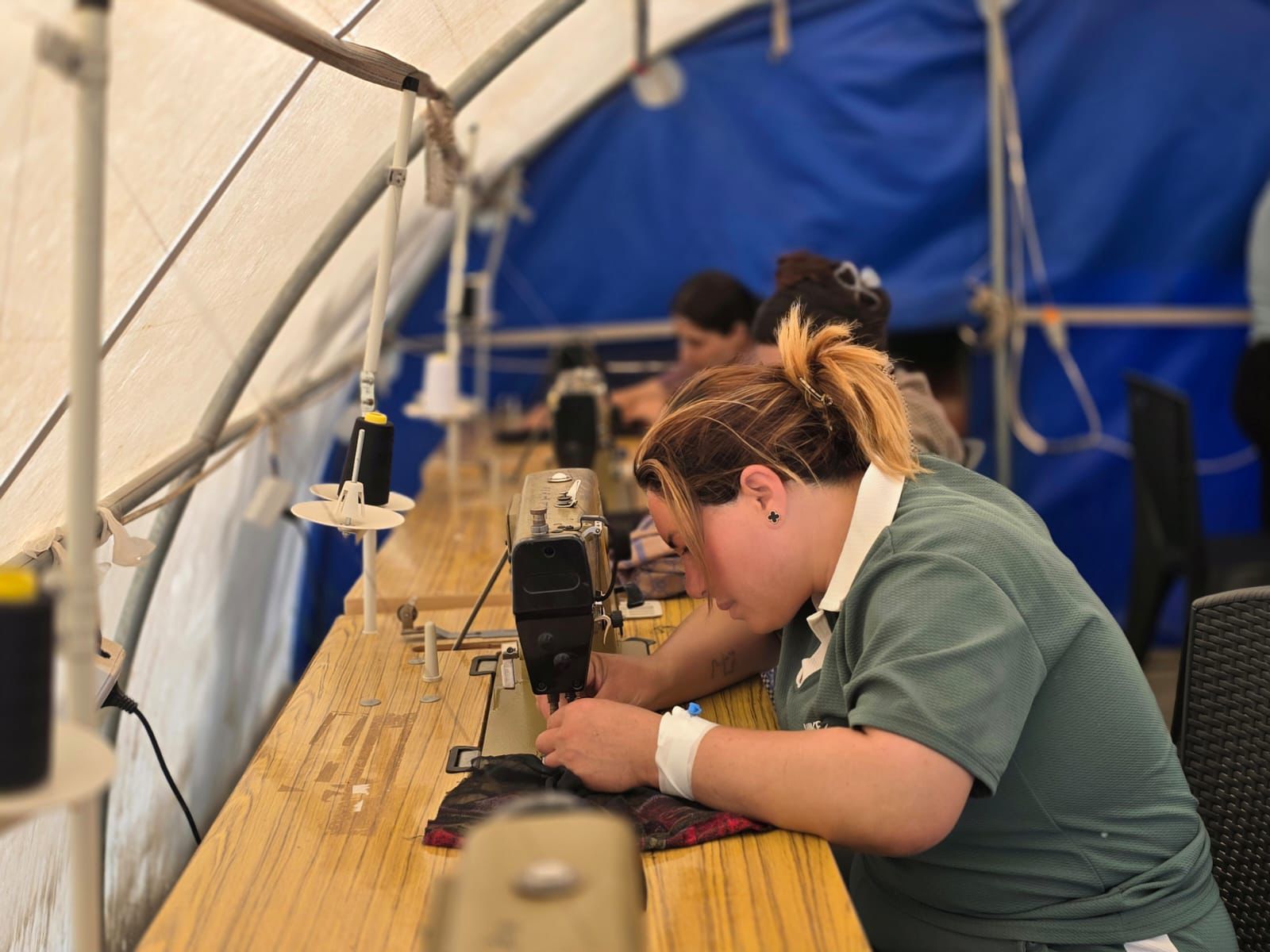
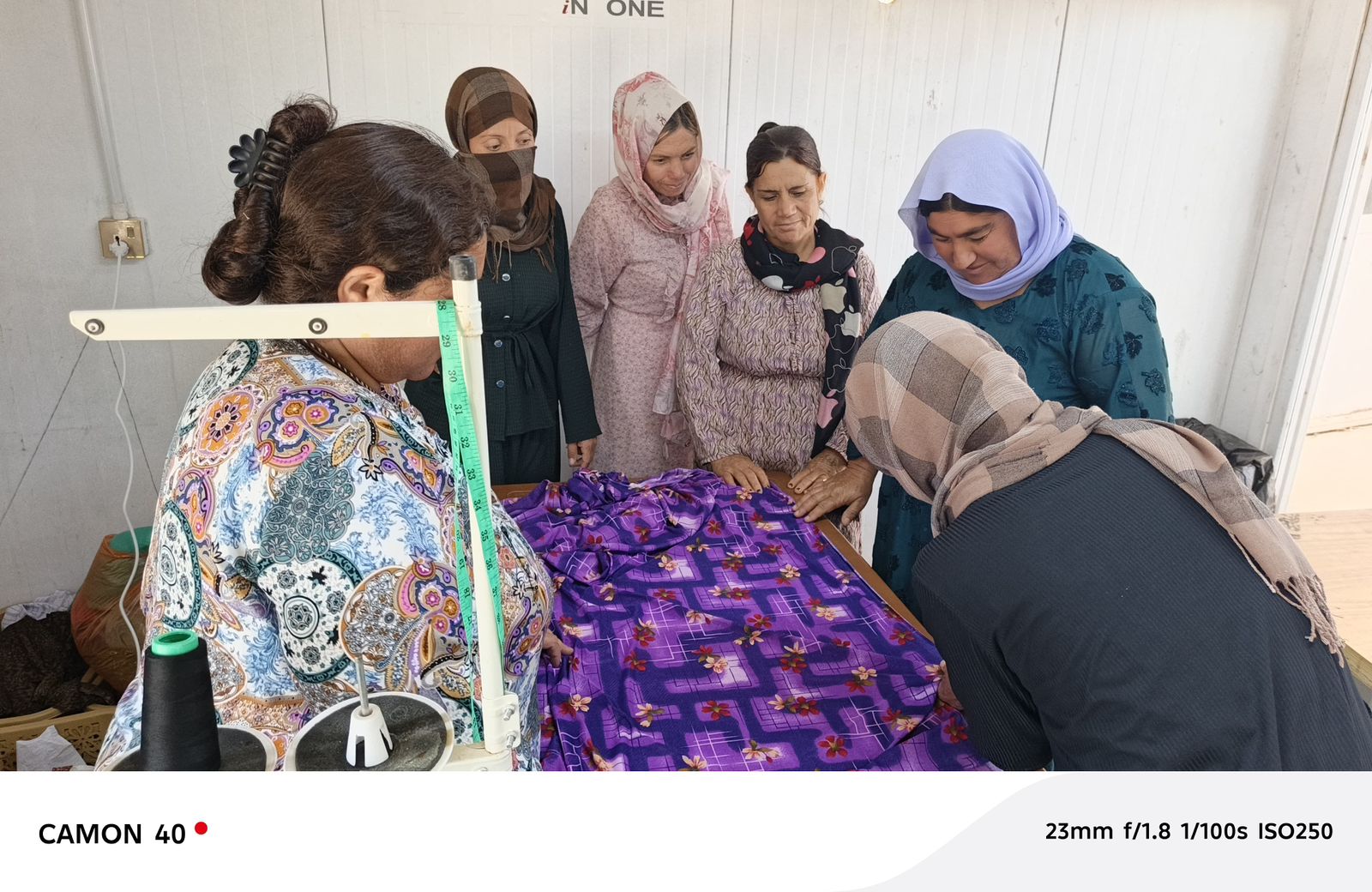
In Sharia Camp, sewing courses are ongoing, with continuous training provided to women inside the camp. Two computer training sessions have also been implemented during the reporting period (December to March 2026), each gathering 10 participants. The groups included both girls and boys, with a balanced gender composition across sessions. These trainings aim to strengthen basic digital skills and improve access to education, communication, and future employment opportunities.
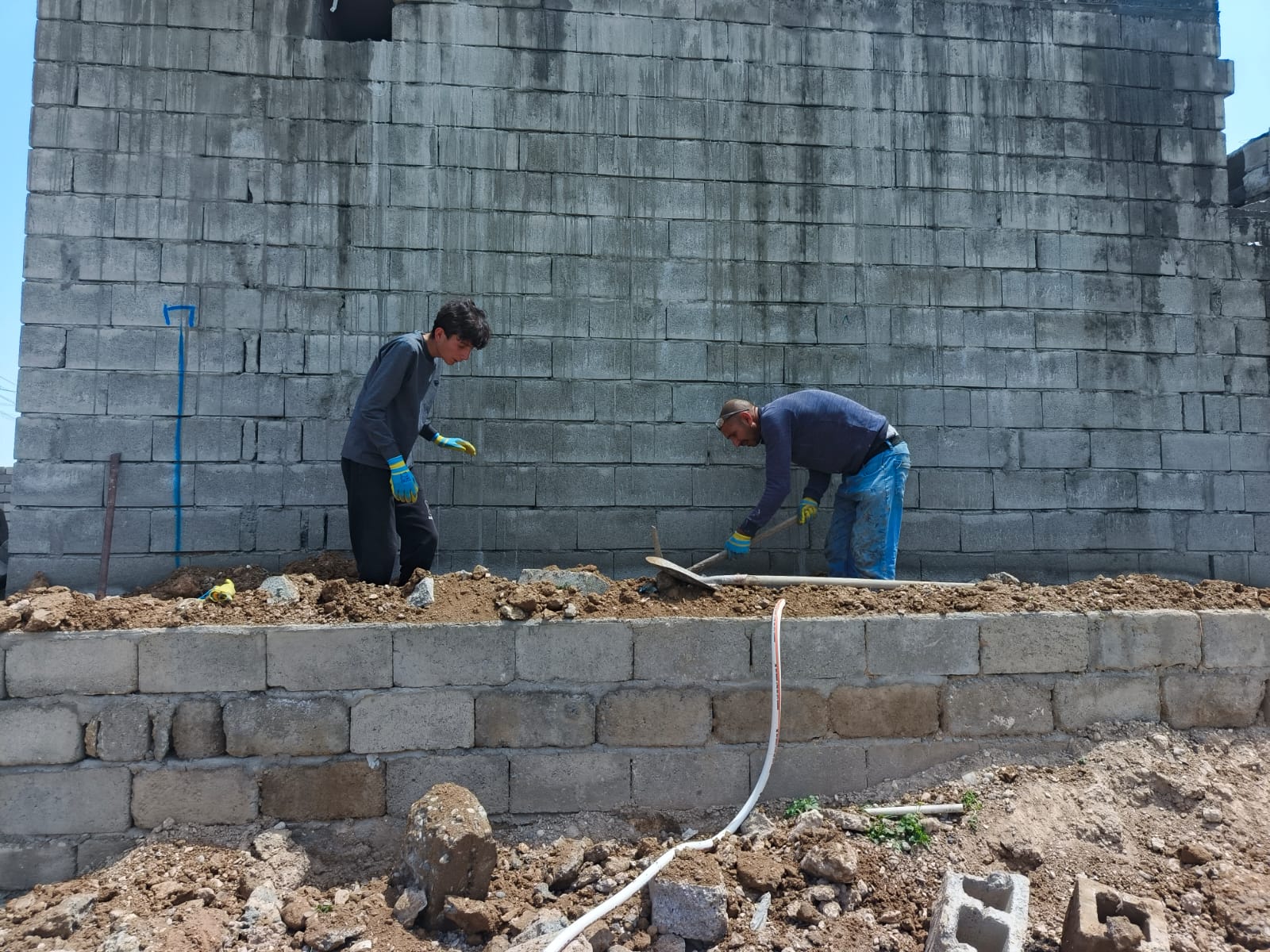
In parallel, vocational training activities continue in the Shengal district, including practical instruction in sewage system installation and maintenance. Two 60-day training programmes were conducted in Dugire (Sinjar), combining theoretical learning with 22 days of intensive hands-on practice per session. This approach allows participants to work directly alongside professionals, reinforcing their technical skills and improving their employability through real working conditions.
A similar methodology was applied to a 60-day training in mural painting, where participants were fully integrated into practical work on-site, enabling them to develop professional skills in a real work environment and, in some cases, prepare for direct integration into employment opportunities with the trainer.
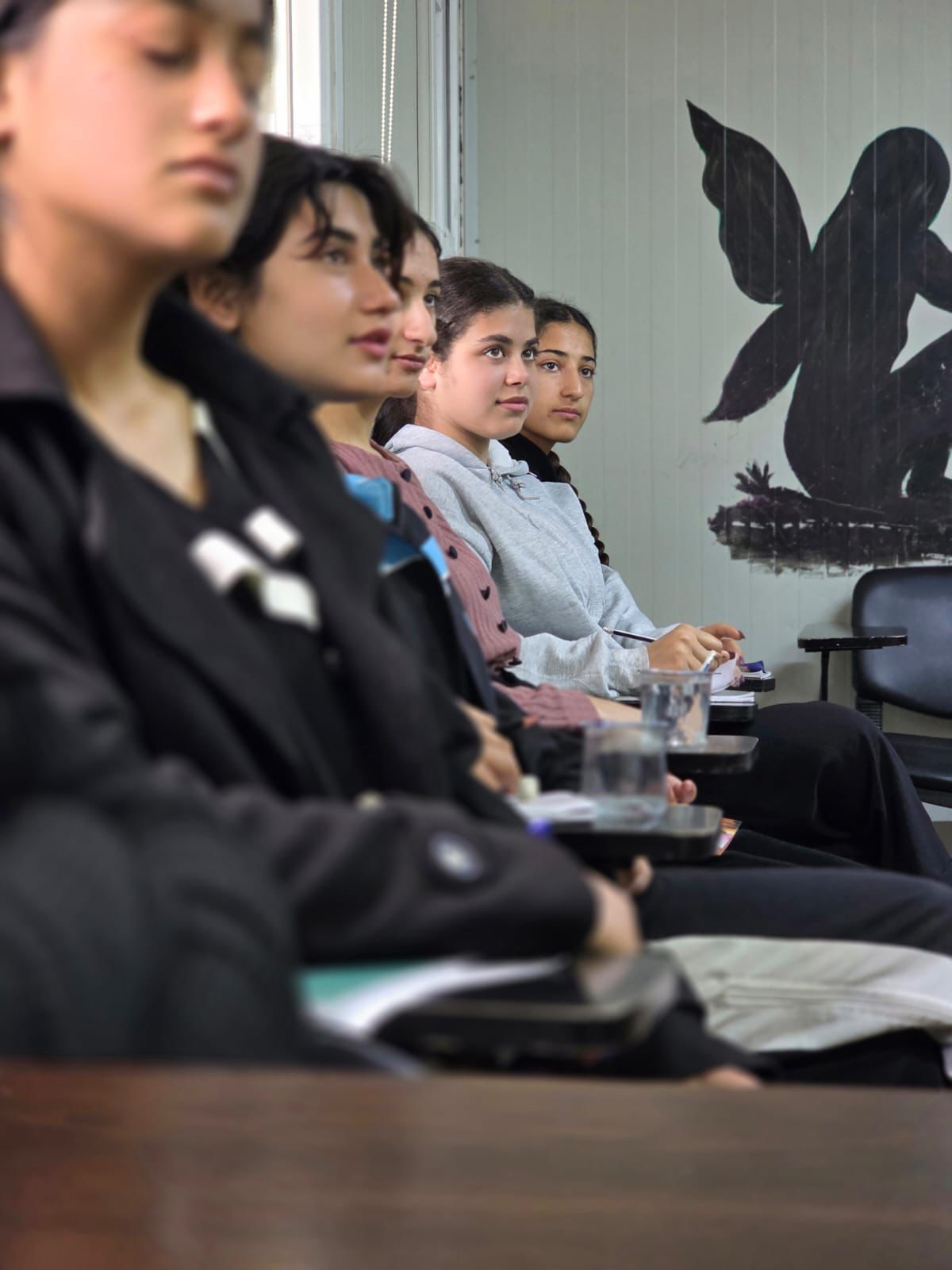
In Qadia Camp, literacy courses continue to be delivered with the valuable support of Ms. Zeina, who volunteers to teach women in the camp. Sewing courses have also recently been introduced and are ongoing, providing women with essential tailoring skills through a community-based initiative. In Sharia Camp, two sewing workshops were also implemented, gathering 40 women in total (20 per session), including survivors. Beyond skills acquisition and income-generation potential, these workshops also provide a safe and supportive space that contributes to psychosocial well-being, peer support, and gradual reconstruction of confidence.
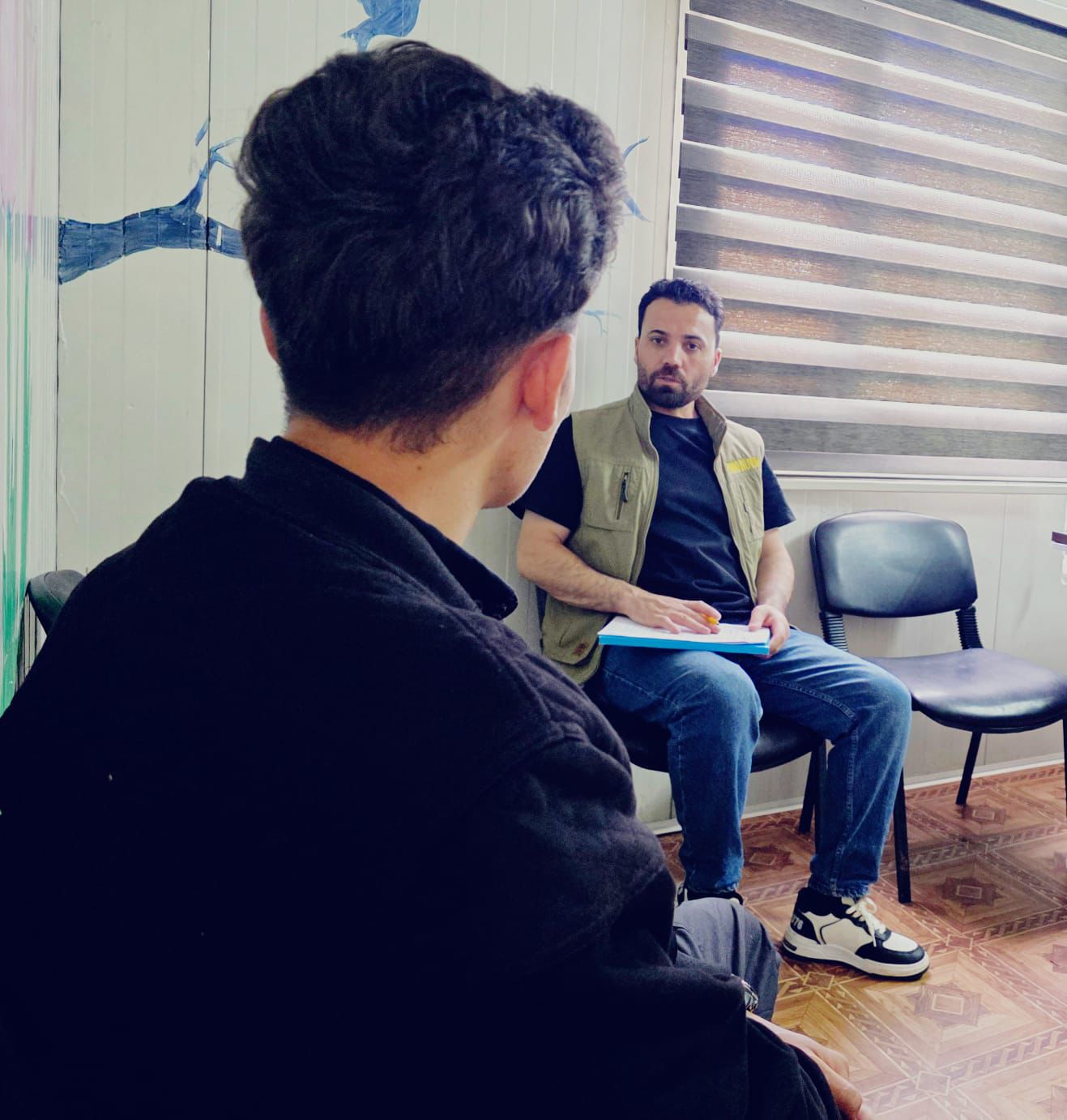
Individual psychological support sessions are also being conducted in Qadia Camp. These sessions are particularly important in a context marked by ongoing psychological and social pressures. They play a key role in supporting mental well-being and strengthening beneficiaries’ ability to adapt, cope with challenges, and maintain resilience and stability.
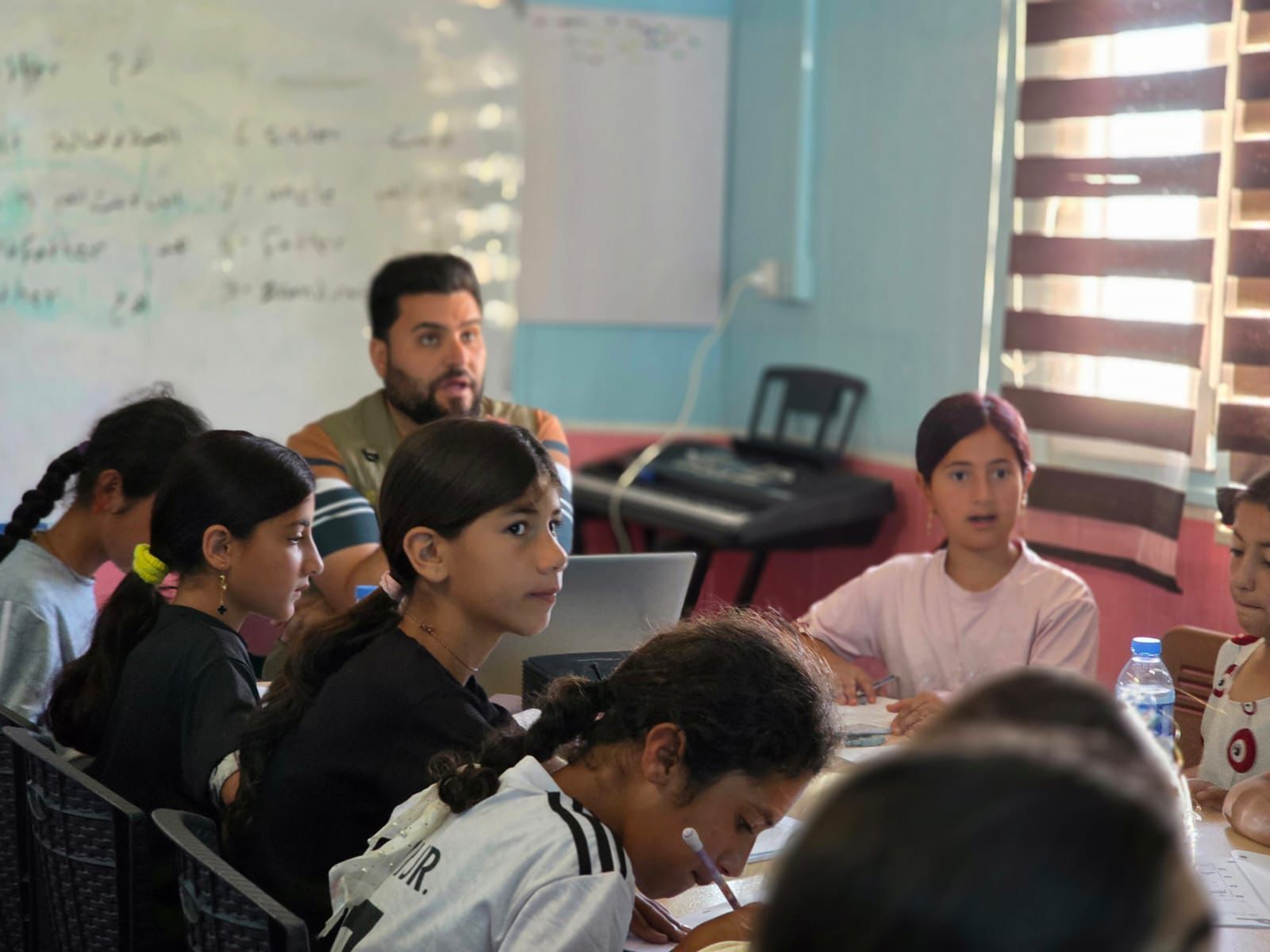
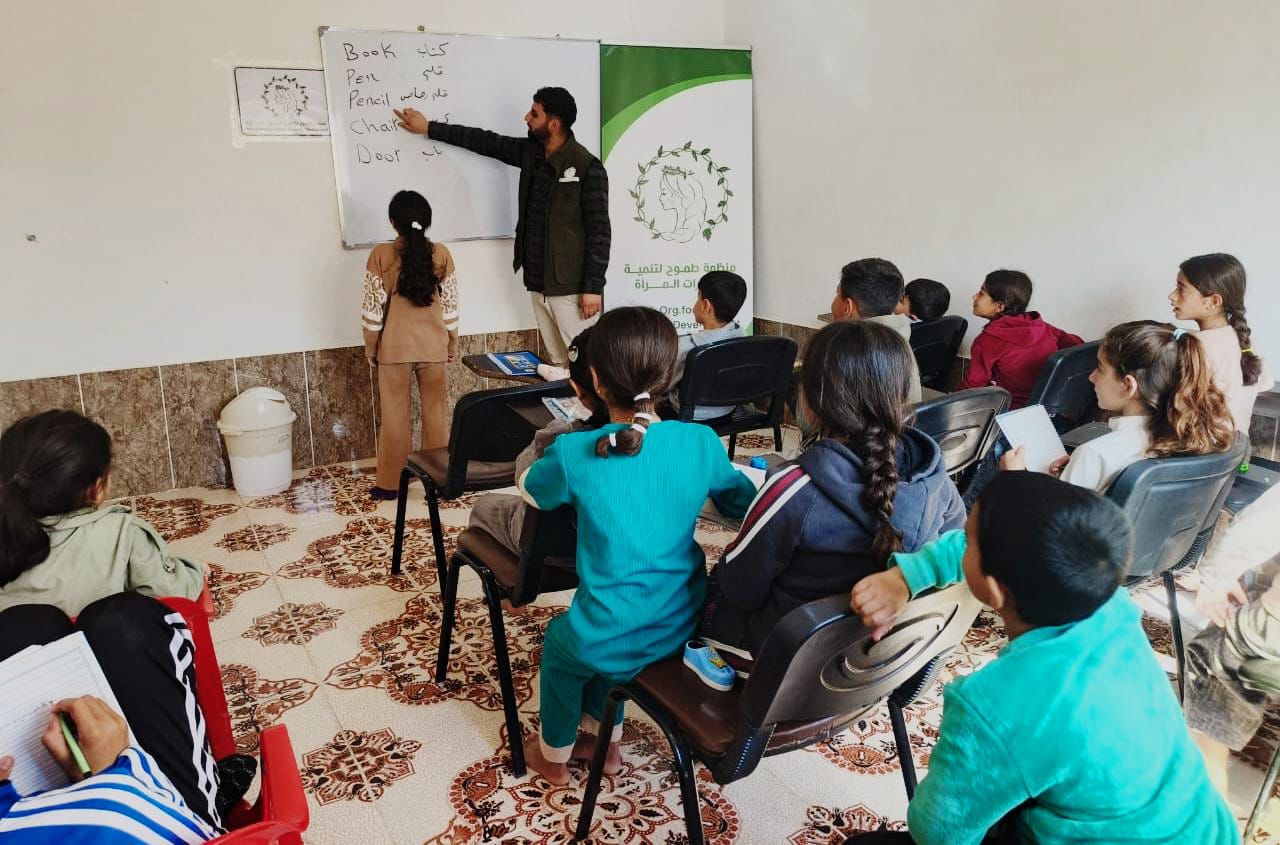
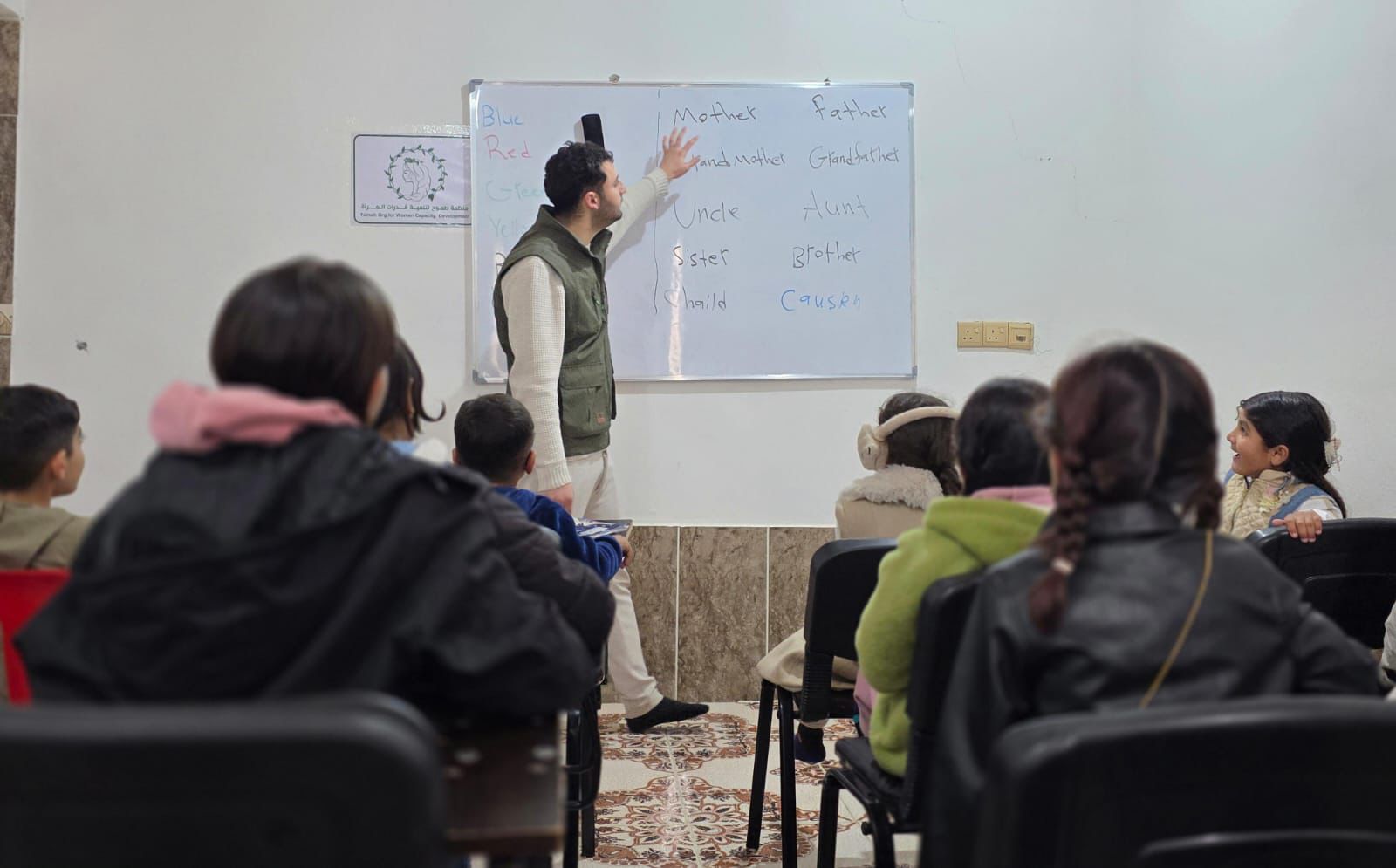
Finally, an English language course is provided for sixth-grade students, aiming to improve their skills in reading, writing, speaking, and grammar. Lessons are delivered in a clear and accessible manner to support better understanding and improved learning outcomes.
June 02, 2026
News from our 2026 program 1.3
We continue to implement a wide range of educational, vocational, and community-based activities across Sinjar District and the surrounding camps, with a strong focus on access to learning, skills development, and social inclusion.
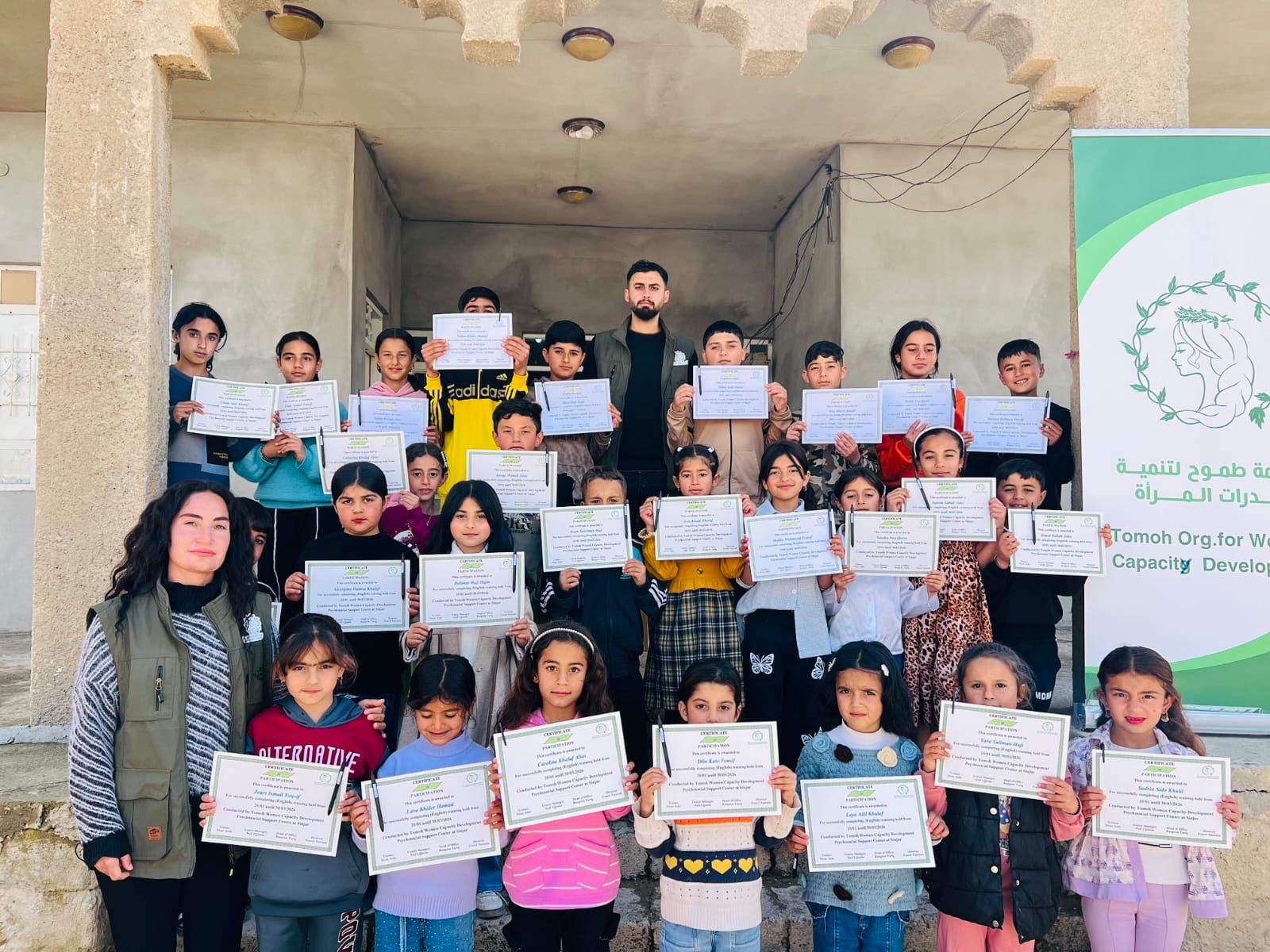
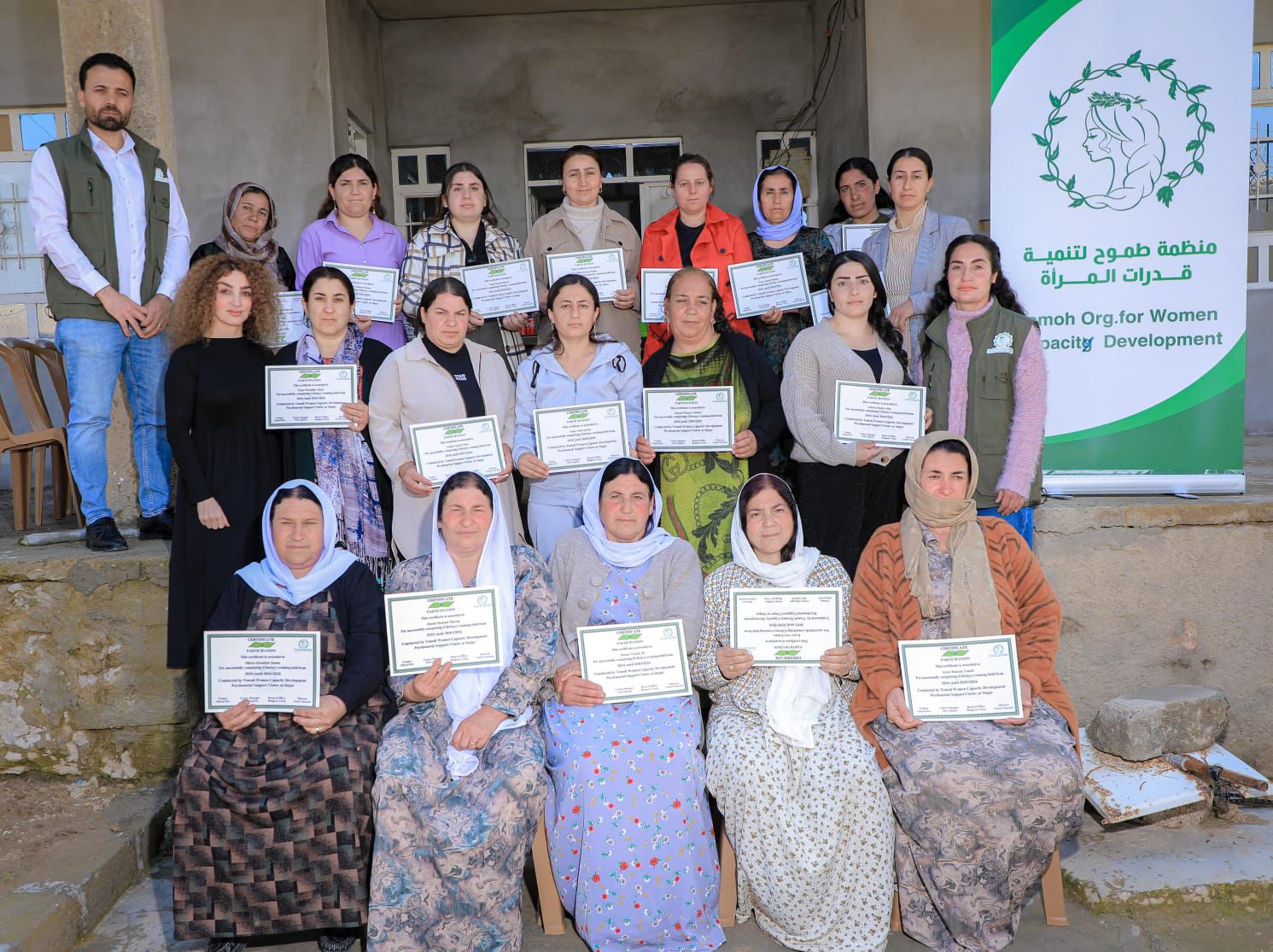
In Dogre village (Sinjar), English language courses for children are regularly conducted by our volunteer Nizar. At the end of each cycle, certificates of participation are distributed to all learners, recognizing their efforts and encouraging continued engagement in education.
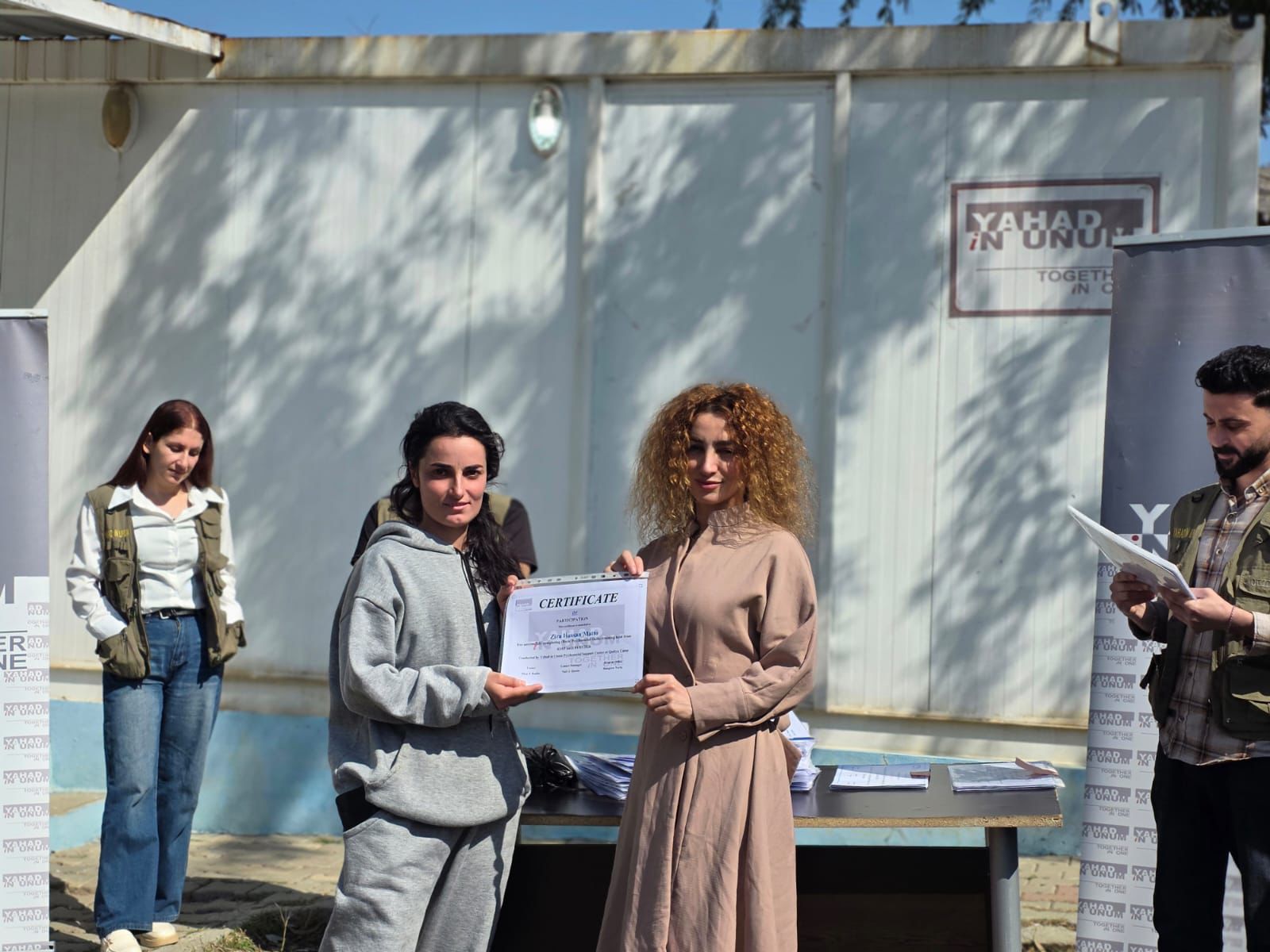
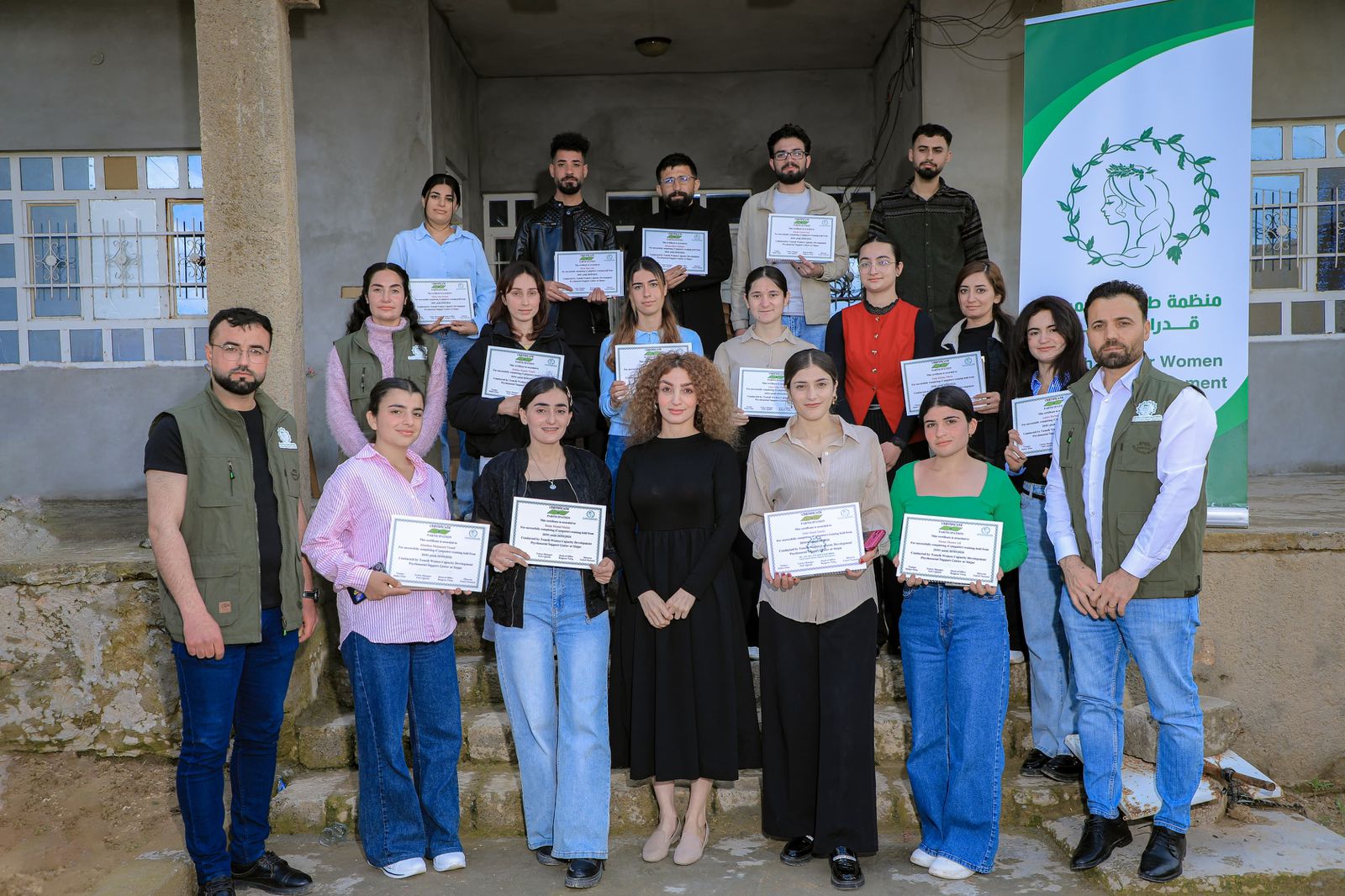
In Dugire village, computer training courses have also been implemented as part of our vocational training programme. These sessions are open to participants of different genders and aim to strengthen basic digital skills. At the end of each course, certificates are awarded to participants. Similar initiatives, including literacy courses for women, are also ongoing in the area. These literacy programmes play an essential role in empowering women by strengthening reading and writing skills, fostering social interaction, and increasing cultural and social awareness, ultimately contributing to improved quality of life. Certificate distribution ceremonies are held at the end of each cycle to acknowledge participants’ progress and commitment.
In Sharia Camp, vocational and educational activities are continuing. These include computer training courses for youth, led within the framework of our vocational programme, as well as tailoring (sewing) courses for women. These activities bring together participants from different backgrounds and aim to strengthen both employability and social cohesion within the camp.
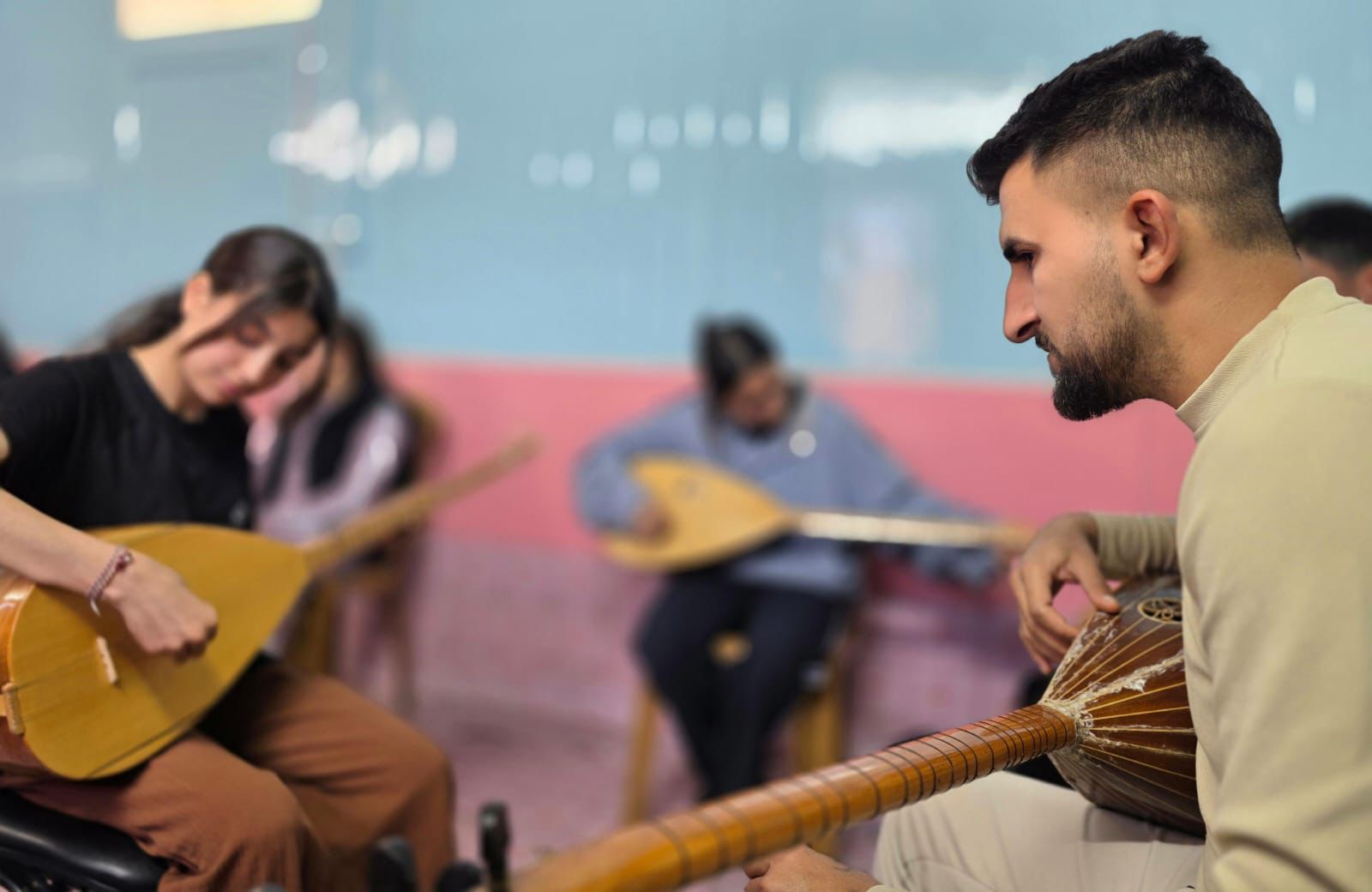
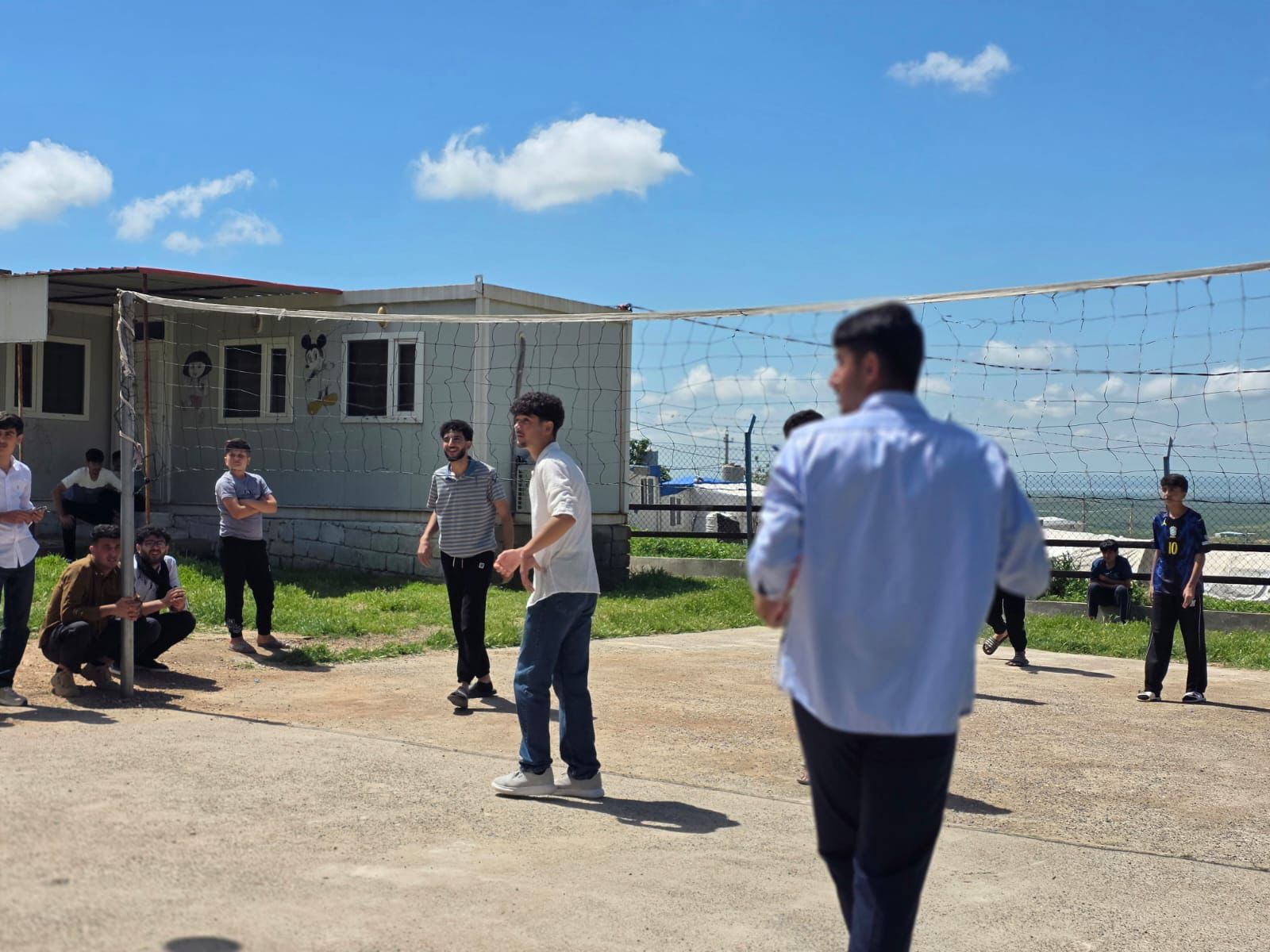
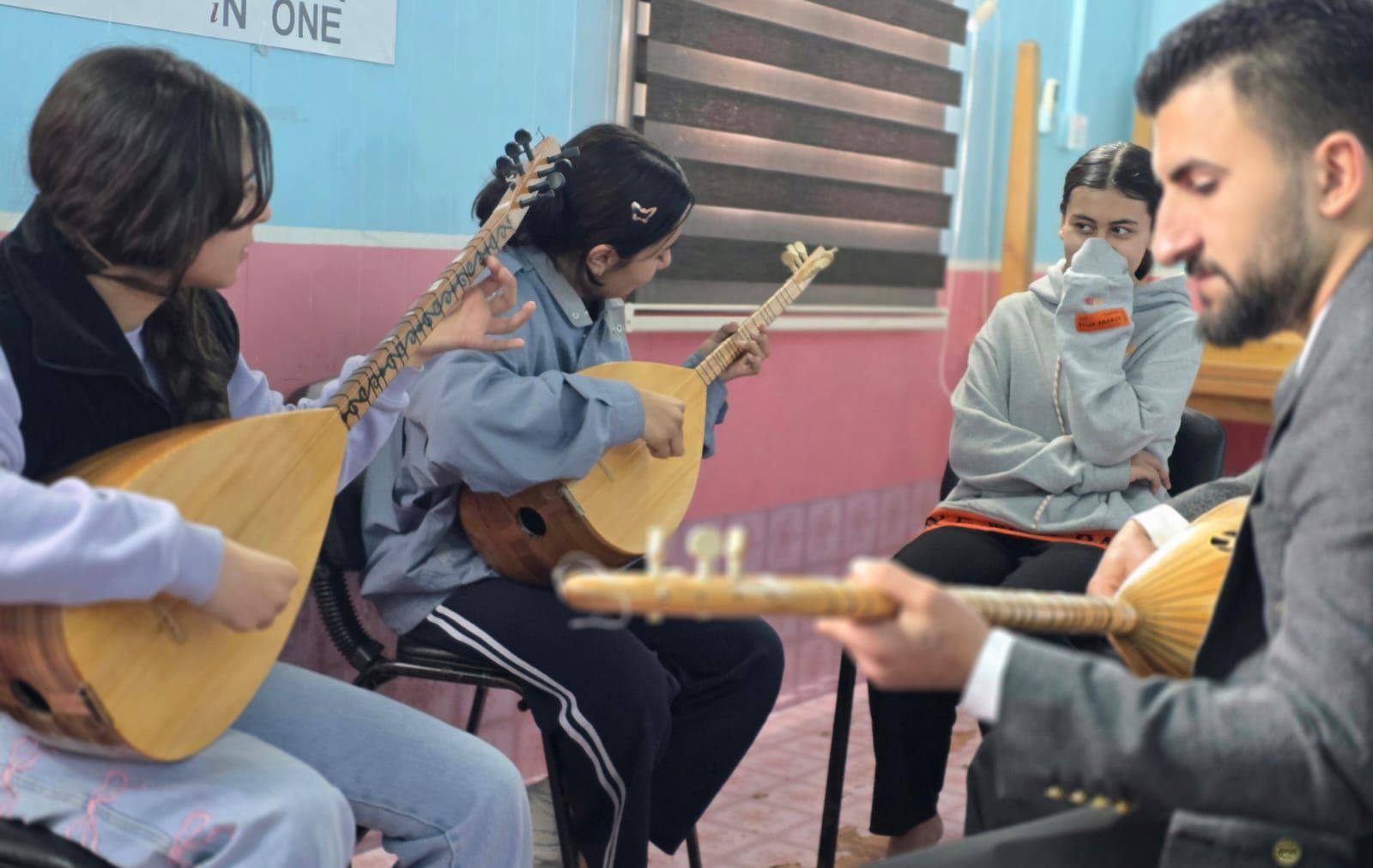
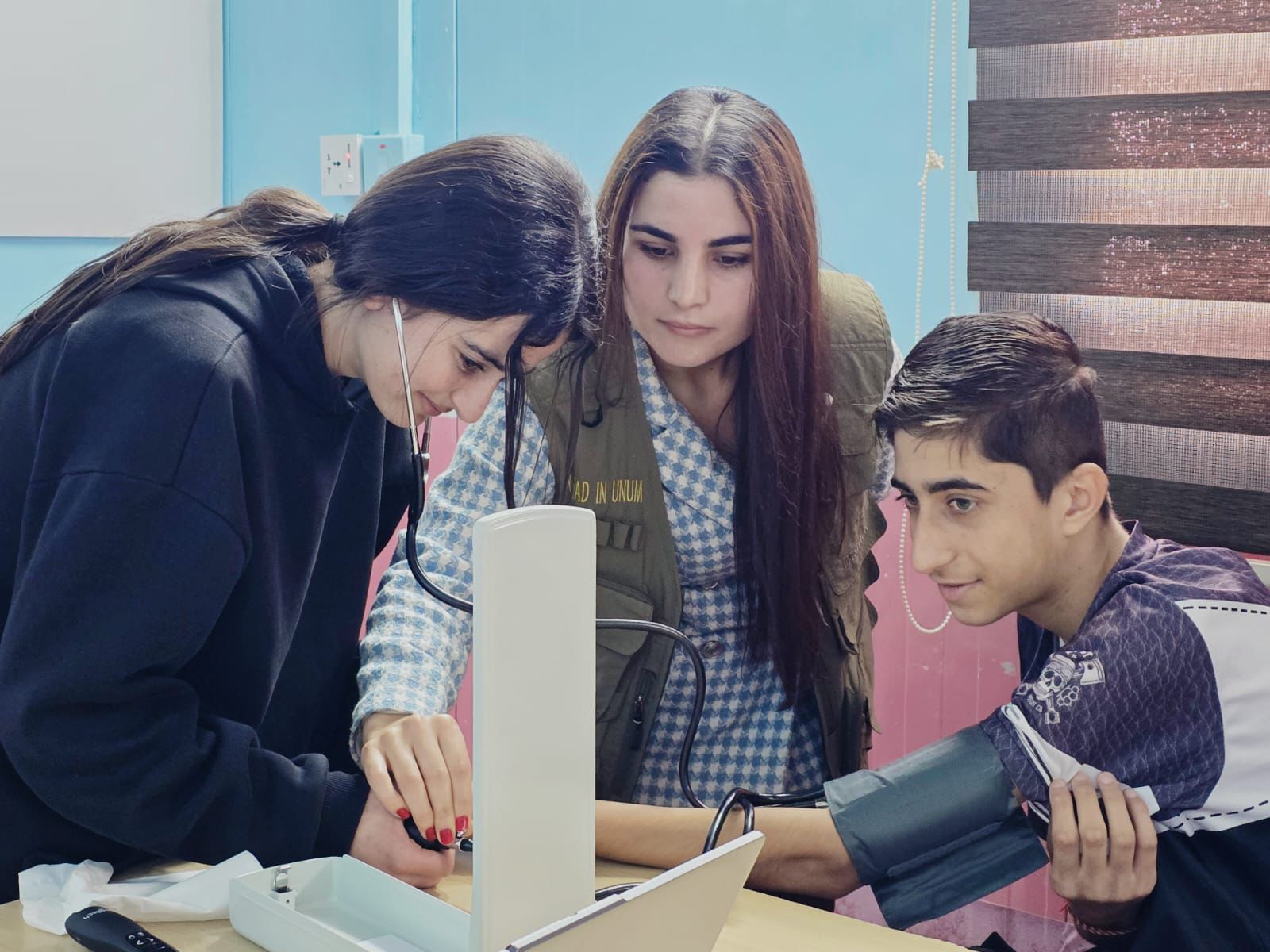
In Qadia Camp, activities include literacy courses for women, supported by volunteer teachers, as well as ongoing vocational and educational initiatives. These programmes are complemented by additional learning activities such as first aid training, general culture lectures delivered by Mr. Saeed, and music education courses for youth. A recreational component is also present through sports activities, including volleyball tournaments organized at the centre. In addition, literacy courses remain a key pillar of intervention, contributing to women’s empowerment, confidence-building, and active participation in community life.
Across all locations, certificate distribution is systematically organized at the end of each training cycle, whether for literacy, computer training, English language courses, or vocational activities. These moments serve both as recognition of participants’ efforts and as encouragement to continue learning and development.
Overall, these activities form part of a broader effort to support learning opportunities, reinforce skills, and create safe and constructive spaces for children, youth, and women in a context marked by ongoing challenges.
June 02, 2026
News from our 2026 program 1.4
August 25, 2021
The Brainwashing of Yazidi Children
During the 2014 Yazidi genocide, Yazidi boys and teenagers suffered a different fate than their fathers, mothers, or sisters. Rather than being executed in mass graves or sold into sexual slavery, male Yazidi children were sent to ISIS training camps and transformed into the terror group’s next generation of jihadists.
When ISIS invaded the Sinjar region of northern Iraq in August 2014, its fighters surrounded Yazidi villages and rounded up the local population. Boys from the ages of 7 to 18 were separated from their families after militants inspected their bodies for signs of puberty. These young Yazidis were then sent to a vast network of training camps located throughout Iraq and Syria. Many of these camps were established in former schools. Once they arrived, Yazidi boys and teenagers were registered, forcibly converted to Islam, and given Islamic names. For the remainder of their training and life with ISIS, these children would only be referred to by their new names. Maintaining any connection to their Yazidi identity was forbidden.
ISIS subjected Yazidi boys to an unforgiving religious and military training regimen. Yazidis were forced to learn Arabic, recite the Qur’an, and adhere to ISIS’ interpretation of Islam. These children were also trained to use a wide variety of weapons and munitions, such as pistols, AK-47s, grenades, rocket launchers, and suicide vests. ISIS fighters also forced Yazidi boys and teenagers to watch propaganda videos of battles, suicide bombings, and beheadings to desensitize them to extreme violence. If new recruits performed poorly during their religious or military training, as well as if they cried when they watched footage of graphic violence, they were severely beaten. In total, this training lasted between 13 days to 2 months.
After their training was complete, Yazidi boys and teens were treated as ISIS fighters. Depending on the terror group’s needs, they were assigned a variety of tasks. Some became frontline soldiers, fighting against Kurdish troops and US-led Coalition forces. Others guarded ISIS bases and equipment, while some boys were forced to go on suicide missions. In 2019, it was estimated that the terror group trained approximately 700 Yazidi children and teenagers to become jihadists.
ISIS’ indoctrination of young Yazidi boys and teenagers is a clear instance of cultural genocide. The group wanted to erase the Yazidi identity of its new recruits, replacing their connections to the Yazidi language, religion, and customs with Arabic and an intolerant interpretation of Islam. However, ISIS didn’t simply want Yazidi children to abandon their past and become jihadists. It wanted its recruits to participate in the extermination of the Yazidi people. After abducting Yazidi boys from their families, ISIS fighters bragged to distraught parents that their sons were “training... to kill kuffar [infidels] like you.” Instructors imparted a similar message to Yazidi children during training. One ISIS fighter exclaimed, “You have to kill kuffar [infidels] even if they are your fathers and brothers, because they belong to the wrong religion and they don’t worship God.” Some Yazidi boys and teenagers have managed to escape ISIS and rejoin Yazidi communities in displaced person camps. Yet, their freedom is often only physical. They experienced unimaginable trauma and brainwashing at the hands of ISIS, and it will take years, if not lifetimes, to recover from such pain.
by Seth Eislund